|
| Varicose Veins |  |
| Spider Veins | |
| Risk Factor | |
| Vein Treatments | |
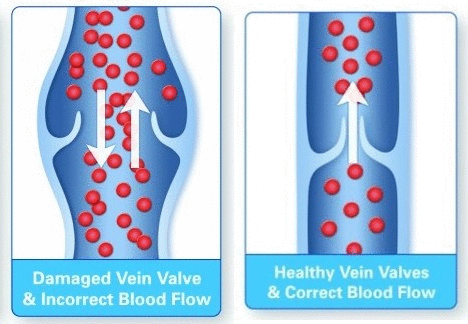

What are Varicose Veins?
Often painful and unsightly, varicose veins are visibly bumpy or rope-like and may occur in almost any part of the leg, most often in the back of the calf or on the inside of the leg between the groin and the ankle. Common symptoms include itching, burning and fatigue. In more severe or chronic cases, varicose veins can be debilitating and limit a person's mobility.
Left untreated, symptoms are likely to worsen, with some possibly leading to venous ulceration, a type of wound that forms on the skin.
What causes varicose veins?
According to the National Institutes of Health (NIH), many factors can raise your risk for venous insufficiency, which causes varicose veins. These include family history, age, gender, pregnancy, overweight or obesity, and lack of movement. People's jobs may also contribute to risk - especially those who sit or stand for long periods of time.
Learn more about risk factors
How are they treated?
There are several methods of treating varicose veins, ranging from radiofrequency and laser ablation to ultrasound-guided foam sclerotherapy. Visit our Treatments page for more information.